
Benefits of Home and Community-Based Services (HCBS)
For the Individual
- Independence & Autonomy: Participants gain greater control over their lives, including managing finances, pursuing employment or education, and setting personal goals.
- Community Integration: HCBS residential programs encourage meaningful community involvement and social connections, fostering a strong sense of belonging.
- Familiar, Comfortable Enviroment: Care is provided in home-like settings – either small residential facilities or the individual’s own home – reducing the stress and disorientation often associated with institutional care.
- Person-Centered Support: Services are tailored to each individual’s needs, preferences, and goals, including cultural, spiritual, and emotional considerations.
- Skill Development: Programs focus on building essential life, social, and coping skills to promote greater independence and self-confidence.
For the Family
- Peace of Mind: Families can rest assured knowing their loved one is safe, supported, and receiving personalized care in a community-focused environment.
- Cost-Effective: HCBS options are typically more affordable than institutional care, offering high-quality services with reduced financial burden.
- Caregiver Support: Certain HCBS waivers allow family members to serve as paid caregivers, enhancing continuity of care and reducing external staffing challenges.
- Stronger Family & social Connections: Community integration helps maintain and strengthen relationships with loved ones, contributing positively to the individual’s overall well-being.



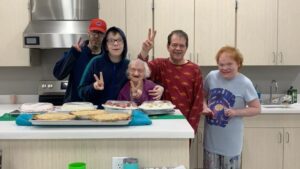
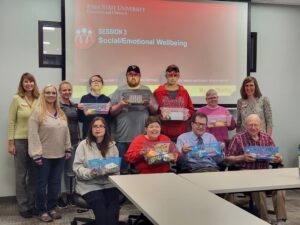

Adult Day habilitation is Available Monday-Friday, 8:00 AM - 1:00 PM
Transportation is provided for all activities and community events
- Individual Service Plans: Each participant has a plan that outlines their specific needs, goals, and services they will receive.
- Community Integration: Day habilitation encourages participation in community activities, volunteer opportunities, and social events. Participants can explore their personal interests, develop new skills, and build confidence in their abilities.
- Activities: The core of day habilitation is helping individuals learn and improve skills related to daily living, such as cooking, personal hygiene, social interaction, and community engagement. Group activities, games, outings, and opportunities to interact with others assist with strengthening communication and socialization. Individual interests such as sports, arts and crafts, music, and other activities are provided.
- Staff Support: Trained staff provide guidance, support, and encouragement to help participants achieve their goals, work towards more independence, and assist with activities throughout the program.
Supported employment promotes independence, financial stability, and social integration for individuals with disabilities. It also allows them to contribute to their communities and experience the dignity of work.
- Vocational Assessment: Identifying skills and interests to match individuals with suitable jobs.
- Job Coaching: Providing on-the-job training and support to learn job tasks and adjust to the work environment.
- Job Exploration and Placement: Assistance with resume writing, interview skills, and techniques.
- Ongoing Support: Offering continued assistance to maintain employment, including addressing any challenges or barriers.